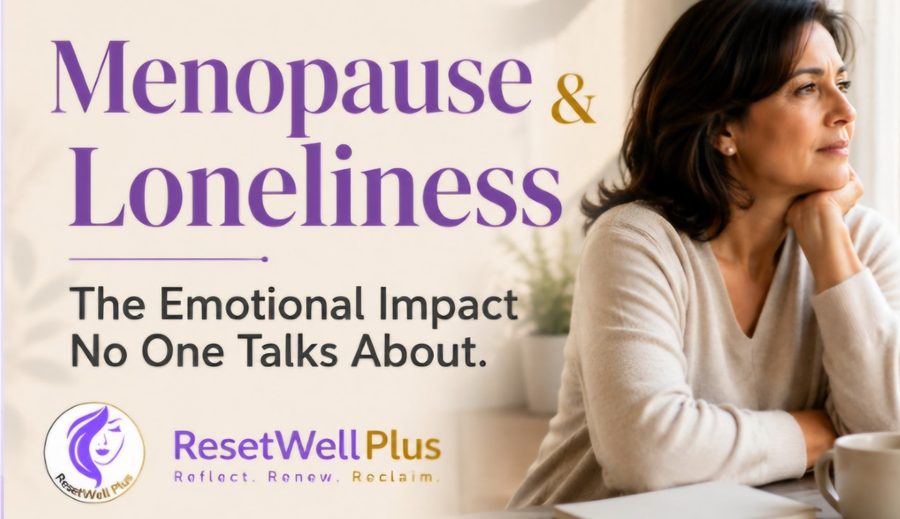
If the discussion of menopause centers around the usual issues of hot flashes or sleep disturbances, then here is one more issue that should be paid attention to: loneliness.
Women often say that during menopause, they are feeling emotionally detached from other people. It does not matter who surrounds them, their relatives, colleagues or friends; for some reason, they cannot communicate with other people. The process going inside their body is hard to describe, and as menopause is still not widely discussed in society, these feelings are left unnoticed.
It should be mentioned that menopause does not only affect women physically, but also emotionally. Acknowledging the psychological impact of menopause is the key to ensure that no woman will go through this period all by herself.
Reasons Why Menopause Can Be an Emotional Struggle
Menopause brings significant hormonal changes, particularly a decline in estrogen, which can influence mood, emotional regulation, and overall wellbeing. Symptoms of menopause include anxiety, irritability, brain fog, fatigue, lack of energy, or low self-confidence, among other symptoms. Thus, social interactions can become harder for a woman.
The second factor that plays an important role in feelings of emotional isolation during menopause is that most symptoms are invisible to others. It might be difficult for other people such as friends or co-workers to comprehend what a woman goes through during menopause and how she feels.
Additionally, many women choose to remain silent regarding the issues they have since they believe that they will get judged. Even if a woman is physically surrounded by other people, she still feels lonely.
The Hidden Impact of Loneliness on Overall Wellbeing
While loneliness in menopause might have psychological consequences, it may impact other aspects of wellbeing as well. For example, experiencing chronic loneliness may cause women to feel stressed, to be unable to handle certain situations, to suffer from anxiety or to feel depressed. Moreover, loneliness may also influence sleep patterns, energy and motivation of an individual.
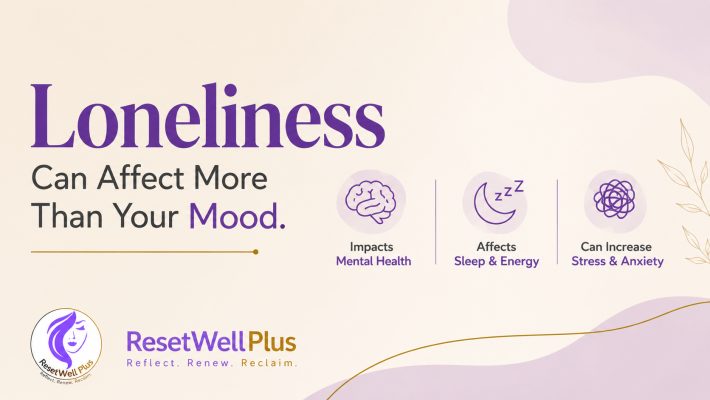
As one feels lonely, she may find it increasingly hard to participate in social activities, conversations or hobbies she used to enjoy. Such behaviour is not voluntary, rather it is caused by the lack of energy and willingness due to being tired and overwhelmed.
Physical health and wellbeing are closely connected to emotional wellbeing. Therefore, when a person feels supported, listened to and understood, it becomes easier for her to deal with menopausal changes. That is why it is essential to take care of one’s emotional health at this point of life as seriously as one does about physical issues.
Small Actions That Can Help You Feel More Connected
Although feeling lonely during menopause is something many women struggle with, it doesn’t have to be the case. There are certain small actions one can take in order to make oneself feel more connected and happier.
Firstly, you need to talk to someone. If you are close to somebody who will understand you and your concerns, it will definitely make you feel better and lessen the emotional burden.
Being physically active can not only help in terms of your physical condition but also help you feel better emotionally. Walking, yoga, or any other exercise might do wonders for your mood as well as help you control your other menopausal symptoms.
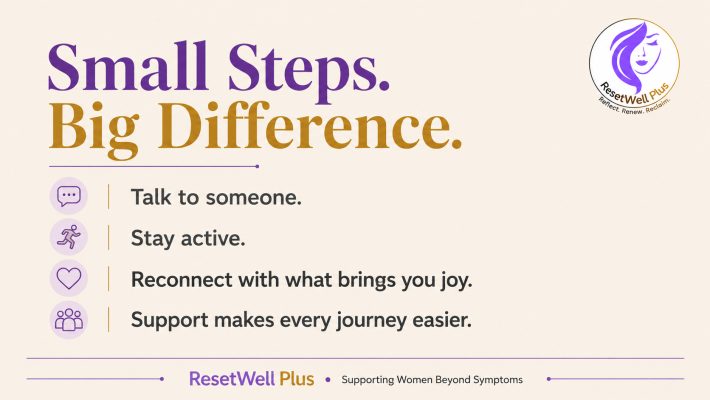
It is also important to come back to your old hobbies and interests and try to meet some new people or even join a community.
Lastly, but most importantly, if you start feeling lonely, anxious or depressed and these emotions affect your everyday life, consider seeking professional help. Speaking with a healthcare professional can provide reassurance, practical strategies, and personalised guidance to help you navigate this transition with greater confidence.
You Don’t Have to Go Through Menopause by Yourself
Going through menopause is part of life’s natural progression, but it certainly doesn’t mean that you should “tough it out” when it comes to the psychological effects that can accompany it. Being lonely, frustrated, and disconnected does not make you weak, it makes you a normal person. Recognizing these feelings is a key component of receiving the assistance that you need.
It is entirely possible, with proper direction, factual information, and care, to go through menopause with more confidence and emotional resilience. Seeking assistance does not make you weak, it is a commitment to yourself.
At ResetWell Plus, we believe menopause care goes beyond managing physical symptoms. We’re committed to supporting women through every aspect of this journey, including their emotional health, so they can feel informed, understood, and empowered.
Because no woman should have to go through menopause feeling alone.