Menopause marks the end of your reproductive years, but not the end of vitality. It allows many women to embrace a newfound freedom and energy in a way they may never have before. That requires understanding that your needs are different now, and knowing how to meet them.
With falling estrogen levels, changes in bone density, muscle mass, metabolism, cardiovascular wellness, sleep and emotional wellbeing are not uncommon. That does not mean you have to let them dictate how you age.
Healthy aging after menopause is not about youth. It is about strength, mobility, cognition and overall wellbeing.
1. Emphasize muscle mass over weight
One of the biggest changes after menopause is the gradual loss of muscle mass. That can lower your metabolic rate and raise the chance of injury, because the risk of falling goes up.
Rather than fixating on losing weight, concentrate on getting stronger.
It is not difficult to achieve:
- 2 to 3 strength sessions per week
- Bodyweight exercises such as squats and wall pushups
- Resistance band training
- Walking and mobility work
Maintaining muscle supports independence, balance and long-term health.
2. Take care of your bones
After menopause, lower estrogen causes bone to break down faster, which raises the risk of osteoporosis.
Support your bones by:
- Getting enough calcium in your diet
- Keeping vitamin D at healthy levels
- Including weight-bearing exercise
- Asking your doctor about bone density testing
Strong bones are what keep you active as you age.
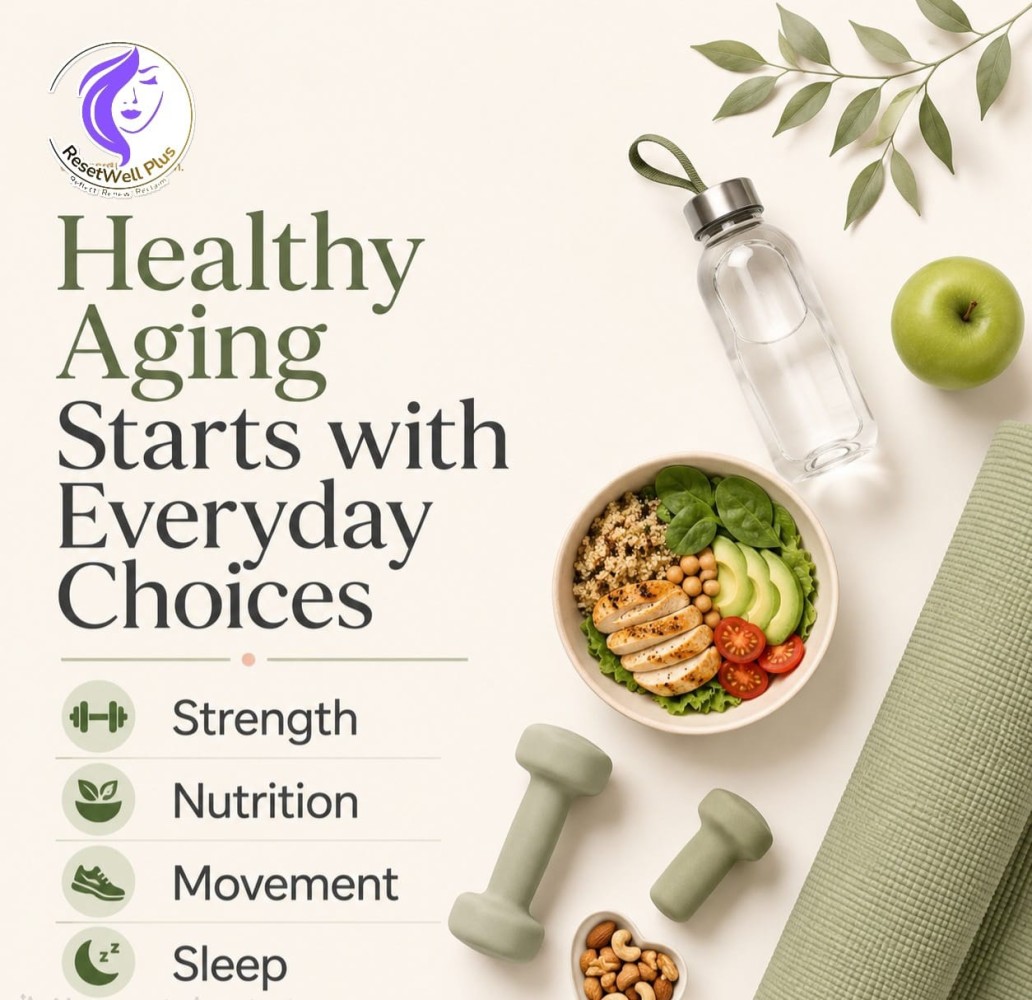
3. Eat to feed your body
Most women find that the eating routines which worked in the past no longer produce the same results.
Rather than restrictive diets, aim for genuinely good nutrition.
Make sure you include:
- Protein at every meal
- Colourful fruit and vegetables
- Whole grains and fibre-rich foods
- Healthy fats such as nuts, seeds, olive oil and oily fish
- Plenty of water
Good nutrition helps you build muscle and supports your heart, your digestion and steady energy through the day.
4. Do not forget your heart
As estrogen’s protective effect declines, heart conditions become one of the major health risks for postmenopausal women.
Small habits done regularly are what pay off:
- Stay physically active
- Manage your blood pressure and cholesterol
- Stop smoking, and limit alcohol
- Get enough sleep
- Reduce stress where you can
Being consistent matters far more than being perfect.
5. Sleep well
Hormonal change can damage sleep quality through night sweats, higher stress and a shifting sleep schedule. Poor sleep then affects mood, memory, immunity, metabolism and heart health.
Make good sleep easier:
- Keep a consistent sleep schedule
- Avoid caffeine after midday
- Limit screens before bed
- Keep the bedroom cool
- Talk to your doctor if sleep problems persist
Sleep is one of the most efficient ways to age well. If night sweats are the thing waking you, optimising your sleep environment is the practical place to start.
6. Train your brain
Brain fog and forgetfulness come up often in menopause and after it, and there are habits that protect cognition.
Exercise your mind by:
- Learning new things
- Reading
- Doing puzzles
- Having meaningful conversations
- Staying social
Physical exercise helps here too, by increasing blood flow and reducing inflammation. If fog is affecting you at work, we have written separately about managing menopause brain fog on the job.
7. Take care of your mental wellbeing
Menopause does not only affect the body. It can affect your mental health too.
Anxiety, mood swings and isolation often come from managing a career, caregiving and everything else at once.
To look after your emotional wellbeing:
- Practise mindfulness and meditation
- Spend time outdoors
- Maintain the relationships that matter
- Speak to a professional if you need to
- Join a community where women can talk openly about menopause
Emotional wellbeing deserves the same attention as physical health.
8. Stay consistent with preventive care
Check-ups matter more after menopause, not less.
Talk to your clinician about:
- Blood pressure measurement
- Cholesterol and glucose testing
- Bone mineral density testing
- Mammography
- Cervical cancer screening
- Colon cancer screening, depending on your age and risk factors
Preventive care catches problems early, while you still have the widest set of options.
Healthy aging is about living well
Being postmenopausal is not the end of good health. It is the start of a chapter that deserves to be approached on its own terms.
Aging well does not depend on one eating plan, one supplement or one fitness routine. It depends on sustained effort that builds the foundation of your health for the years ahead.
Every walk you take, every nourishing meal, every strength session and every preventive check will pay off later.
At ResetWell Plus we know women need research-backed guidance, a community, and honest conversation about menopause. Healthy aging is not about resisting change. It is about meeting it well.