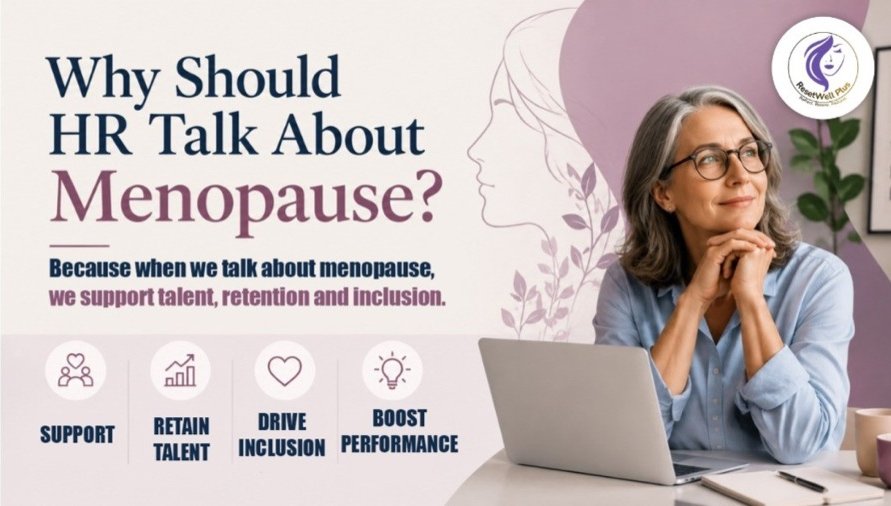
In a world where equality is the key concern of discussion, many prevalent concerns take the back seat as they are considered private issues. For years workplaces were designed with very specific employee models, side-lining the human touch and considering them merely a workforce that works endlessly and biologically unchanged for decades. Surprisingly, the global gender equality discussion has confined its focus to hiring women, equal pay representation at the entry level, and maternity support. However, some organizations started noticing that most of the women in the workforce in their late 40s and 50s suddenly disappeared from leadership roles. According to the World Economic Forum report, women remain underrepresented in senior leadership globally despite decades of diversity efforts. The main reason for this gap is none other than menopause.
According to the Chartered Institute of Personnel and Development (CIPD) research survey report, 84% of women said that menopause has a mostly negative effect on them at the workplace as the organization remains unsupported during their menopause time. 19% of women reported that menopause symptoms have had a quite negative impact, and 8% said the impact has been very negative for their career progression. Only 26% of women said that their organizations offer flexible working and 25% confirm that organizations allow them to control temperature as a most helpful measure.
The Big Impact
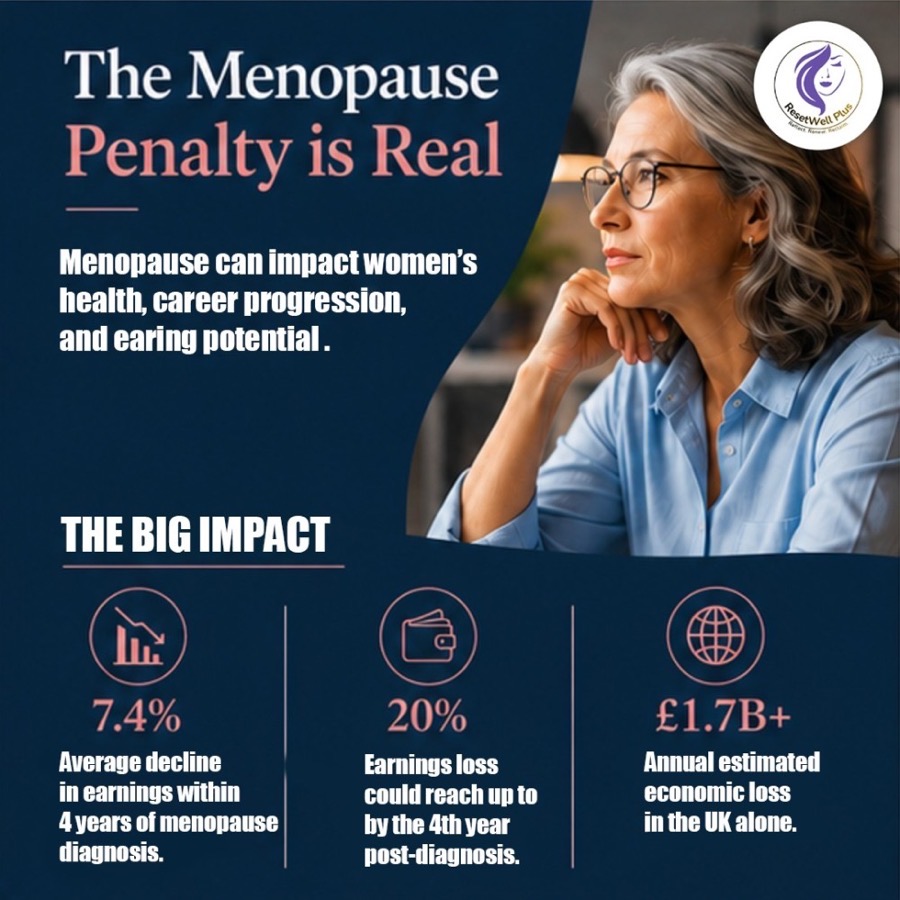
According to the Institute for Fiscal Studies research report titled “The Menopause Penalty” (based on Norway & Swedish regions), an average 7.4% decline in earnings was observed within four years of a formal menopause diagnosis. This loss further intensified over time. The earning loss could reach up to 20% by the fourth year post-diagnosis. The research further shows that while menopause has a great pervasive negative impact on labour market outcomes, a significant absence of increase in healthcare services utilization is also observed. Furthermore, this financial strain is not confined to a region but is global. For instance, an annual estimated loss of £1.7 billion due to menopause has been experienced in the UK. And Japan’s Ministry of Economy, Trade and Industry (METI) attributes a 3.4 trillion-yen annual social loss directly to the women’s health challenges caused by menopause.
Why menopause should be an urgent HR priority
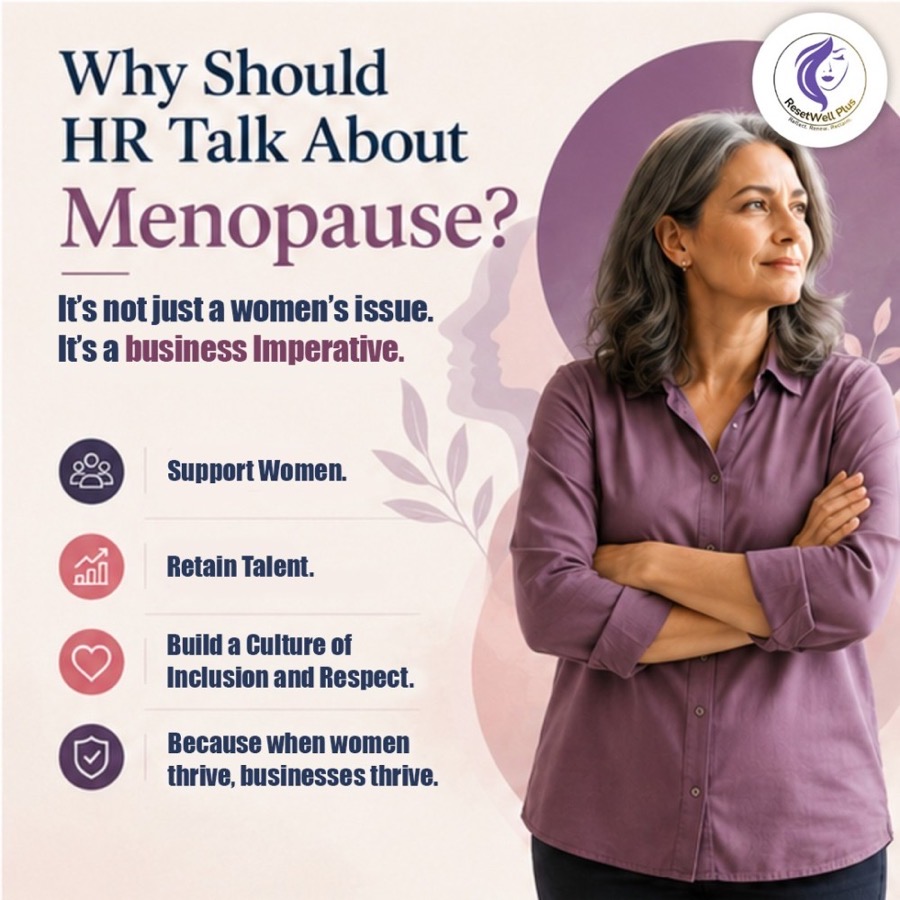
Organizations are losing a large portion of their productive workforce. And the major part of it is top-tier female talents at the peak of their careers. The reason is not because of their choice; rather, their workplace fails to support them during their natural biological transition phase. Menopause is no longer a private discussion or women’s issue but the need of the hour. A critical strategy for talent retention, operational performance, and business continuity: HR must talk about it. Reasons are practical, economic, and essential because of the following.
- Replacement cost: replacement of a senior executive costs significantly more than providing reasonable workplace adjustments. When such important concerns get side-lined, women prefer to decline promotion or leave the office silently to manage the symptoms.
- Impact on productivity: research shows that unmanaged symptoms lead to higher presenteeism and absenteeism during menopause. However, an active HR policy including open dialogue with HR and low-cost, high-impact adjustments such as flexible hours, breathable uniforms, and desk fans can help to restore productivity and make the workplace more convenient for women.
- Diversity, Equity and Inclusion (DEI): as mentioned above, gender equality cannot be attained if biological phases of transition are ignored by the organizations. Normalising the conversation will not only act as an ice-breaking phenomenon but also reduce the psychological distress and stigma associated with menopause in a competitive professional environment. Inclusion does not mean supporting women in maternity only but at every stage of their careers, including menopause.
- Legal and compliance risk mitigation: employment tribunals related to menopause discrimination and failure to provide reasonable accommodations are on the rise at a global level. Failing to support employees experiencing such symptoms can open organizations up to claims regarding age and sex discrimination or disability bias.
- From policy to culture, the HR action plan: the role of HR in any organization is not confined to hiring only but to retention as well. An effective HR policy can induce a cultural change where menopause should no longer be considered a taboo subject and taking a break is considered a sin. Managers should be vocal and supportive enough to remove the stigma and make it a common phenomenon; practical adjustment should be made to enable flexible work culture.
Conclusion
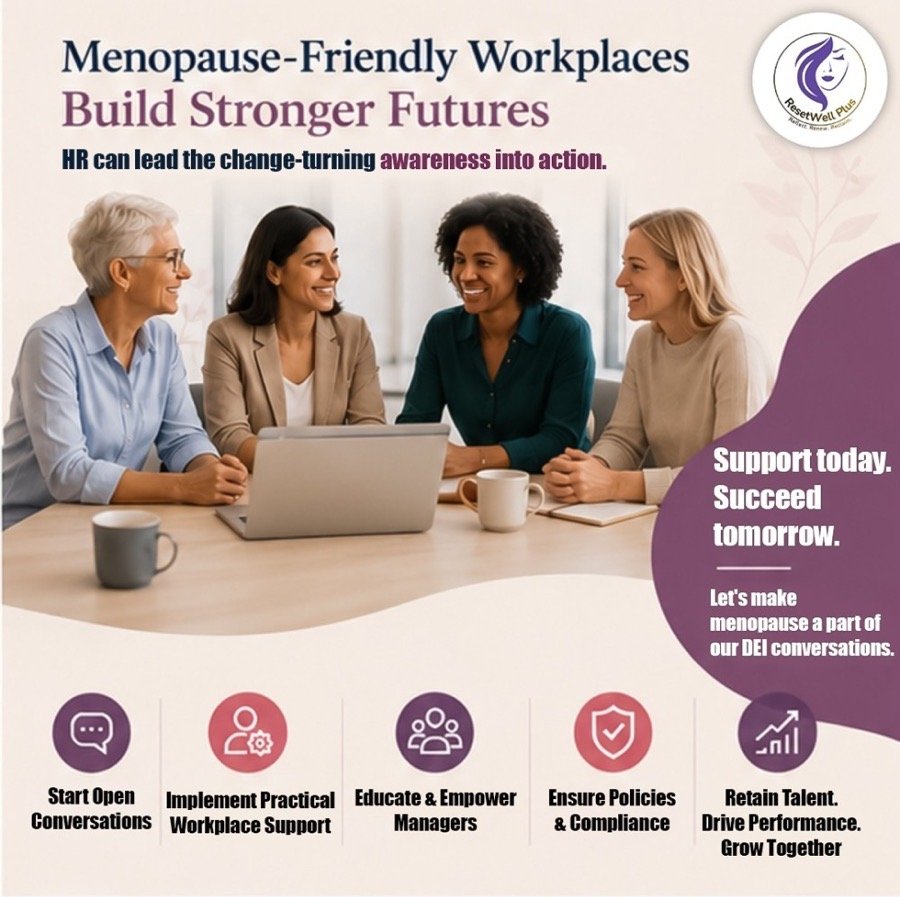
An open discussion about menopause is not just about a wellness perk, empathy or privilege for women but has an economic and operational imperative. Breaking the silence will not just make women more comfortable but also reduce the silent goodbye of the productive workforce. The role of HR is to protect the company’s bottom line, safeguard institutional knowledge, and build a genuinely inclusive culture for the women.